Florida farm products

Diversified crops and aquaculture from Glades County

Family Orchards LLC is building a customer-focused farm business around direct-to-consumer offerings including lemongrass, tilapia, sugarcane, bamboo shoots, and future Christmas trees.

About Family Orchards

Rooted in Glades County

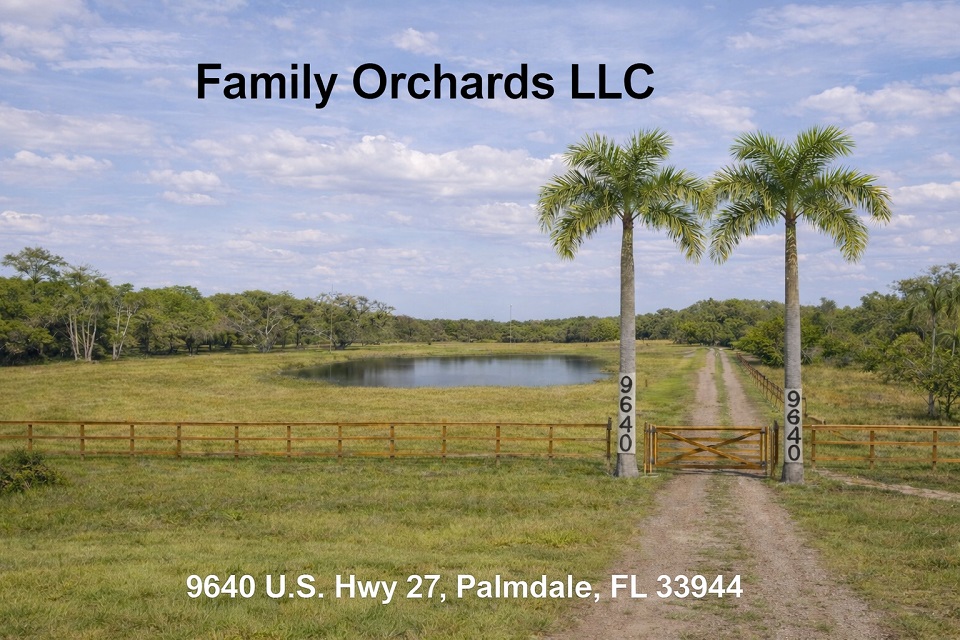
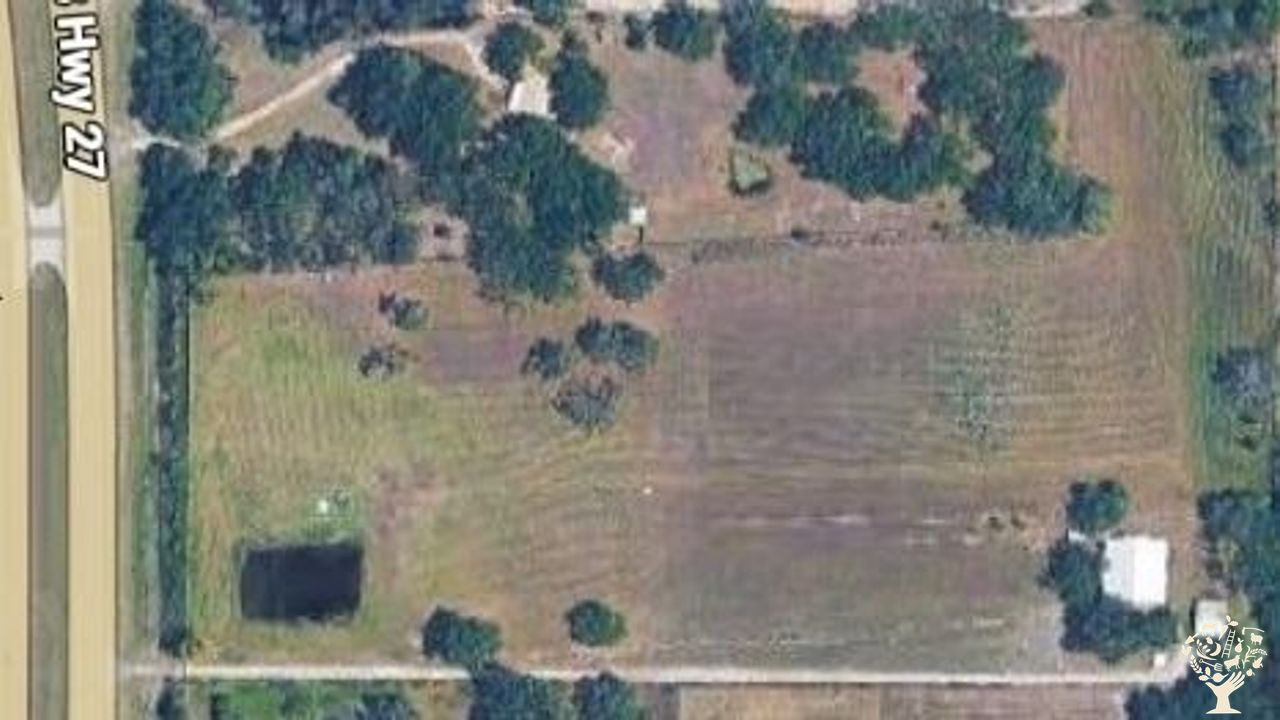
The farm spans 12.66 acres in Florida with a mix of active cultivation, pond-based aquaculture, and land preparation for future plantings.
Focused on specialty products

Current production centers on unique retail offerings that can grow over time, from fresh lemongrass and tilapia to sugarcane, edible bamboo shoots, and Christmas trees.

Built for steady growth

Family Orchards combines soil building, land care, planting schedules, and water management to expand responsibly season by season.

Lemongrass

Planted during 2024 with first commercial harvest targeted for 2026.

Tilapia

Small-scale freshwater pond production beginning in 2026 for direct retail sales.

Sugarcane and bamboo shoots

Scheduled for planting during 2026 to expand the farm's mix of fresh specialty products.

Christmas trees

Pine trees planted during 2025 with the first retail season targeted for 2030.

Volunteer Opportunities

We welcome volunteer help on the farm through the WWOOF USA program. Our volunteers are WWOOFers.

If you’re interested in volunteering:

  1. Register with WWOOF USA: https://wwoofusa.org/
  2. Create your WWOOF profile
  3. Message us through WWOOF USA to introduce yourself and ask about current opportunities
  4. Once accepted, volunteers review/sign a woofing agreement (see documents page)

Seasonal outlook

As each harvest window approaches, the website can highlight availability, planting progress, and pond milestones so customers know what is coming next.
Agricultural Production Plan

Property Overview

I. Executive Summary

Family Orchards LLC conducts diversified agricultural production in Glades County, Florida. The operation targets direct-to-consumer retail sales from specialty crops, Christmas tree cultivation, and small-scale aquaculture.

II. Current and Planned Crop Production
  • Lemongrass: 1 acre planted during 2024; first commercial harvest targeted for 2026.
  • Pine trees (Christmas trees): 1.5 acres planted during 2025; cultivation targets retail Christmas tree sales starting with the 2030 season.
  • Sugarcane: 4 acres scheduled for planting during March 2026; first harvest targeted for 2027.
  • Bamboo (edible shoots only): 0.5 acre scheduled for planting during 2026; shoot harvest targeted roughly one year after planting. No pole harvest or pole sales.
III. Aquaculture Production Plan (Tilapia — Beginning 2026)

Beginning in 2026, the operation will use an existing 10,000-square-foot freshwater pond (about 0.23 acre of surface area) for small-scale Nile tilapia production.

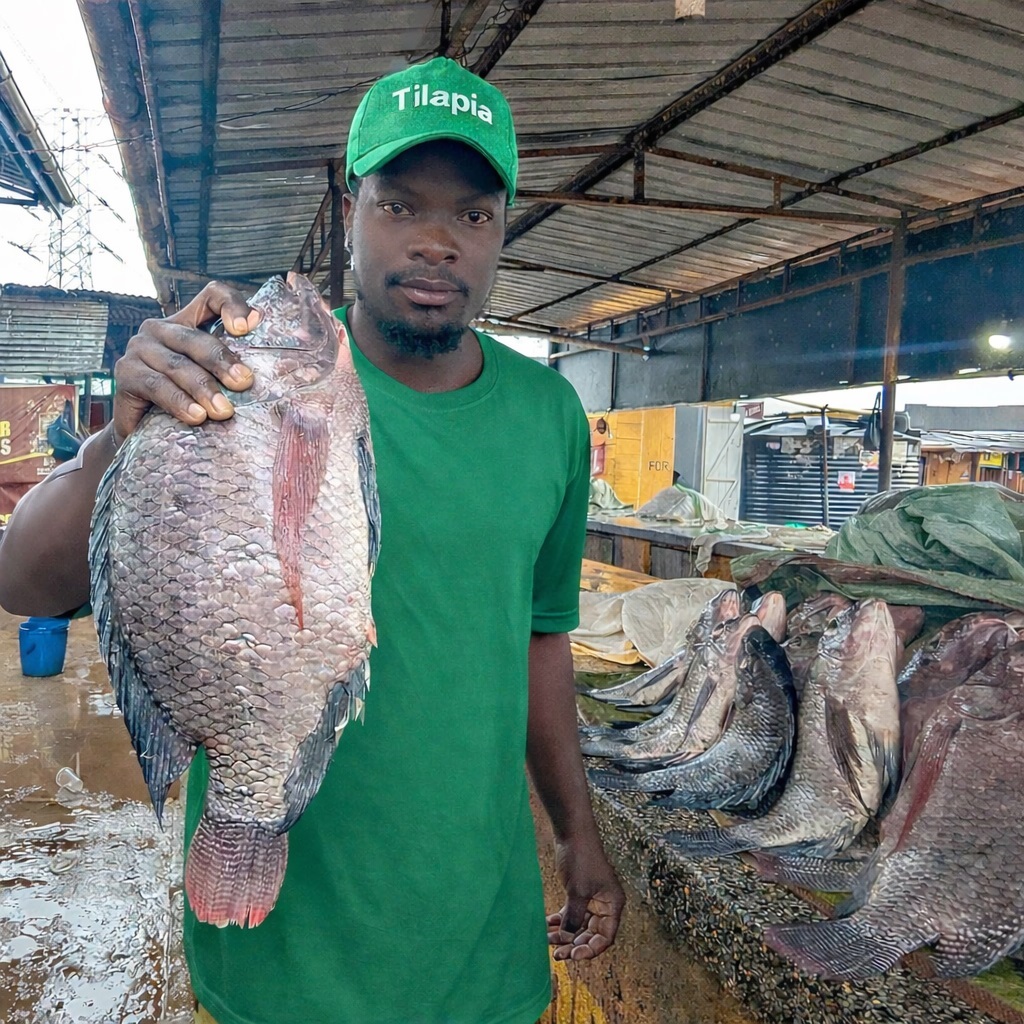
Fish vendor holding tilapia at Portbell market
  • Species: Nile tilapia
  • Projected annual stocking: 400–600 fingerlings
  • Target survival range: 70–75%
  • Target harvest weight: 1.25 pounds per fish (average)
  • Projected yield: 450–550 pounds per production cycle

Stocking occurs during fall. Grow-out continues for 6–8 months, with harvest during the summer. Retail sales proceed through direct-to-consumer channels.

Pond management includes feed control, water-quality monitoring, predator management, and scheduled harvest. Future upgrades could include aeration to expand production capacity.
IV. Revenue History and Projections
  • 2025 actual gross sales: $2,000
  • 2026 projected gross sales: about $8,000 (lemongrass plus tilapia)
  • 2027 projected gross sales: about $15,000 (sugarcane plus lemongrass plus bamboo shoots plus tilapia); about $12,000 projected from sugarcane and lemongrass sales
  • 2030 and beyond: gross sales projected above $30,000 annually once Christmas tree harvest begins

Operational practices include

  • Commercial intent and sales: retail sales records and projected income targets for specialty crops, row crops, Christmas trees, and aquaculture.
  • Continuous management: planting, cultivation, mowing, weed control, fertilization, and irrigation planning across production blocks.
  • Land care and improvement: soil amendments, cover-crop use, mulching, and site preparation on fallow blocks scheduled for planting.
  • Aquaculture management: feed management, water-quality monitoring, predator deterrence, and seasonal harvest scheduling.